
Spec 01 AI · Websites · Software
We build the AI tools, websites and software growing businesses run on.
AMVYLTECH designs and engineers AI automation, websites, platforms and business software, from the first scope to launch, handover and support.
02 · Recent work
Work we've delivered, from first scope to working product.
Study 1 of 5
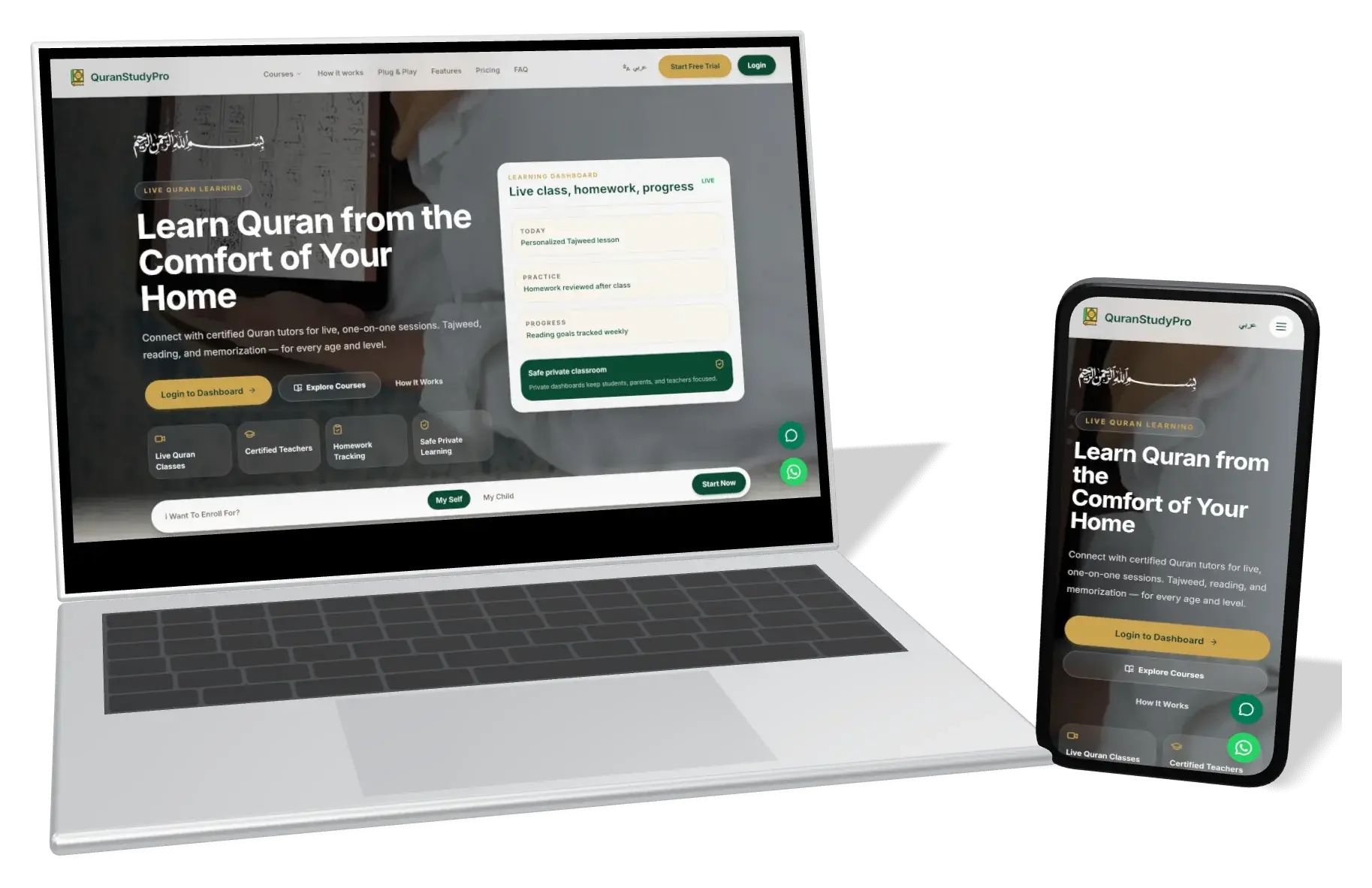
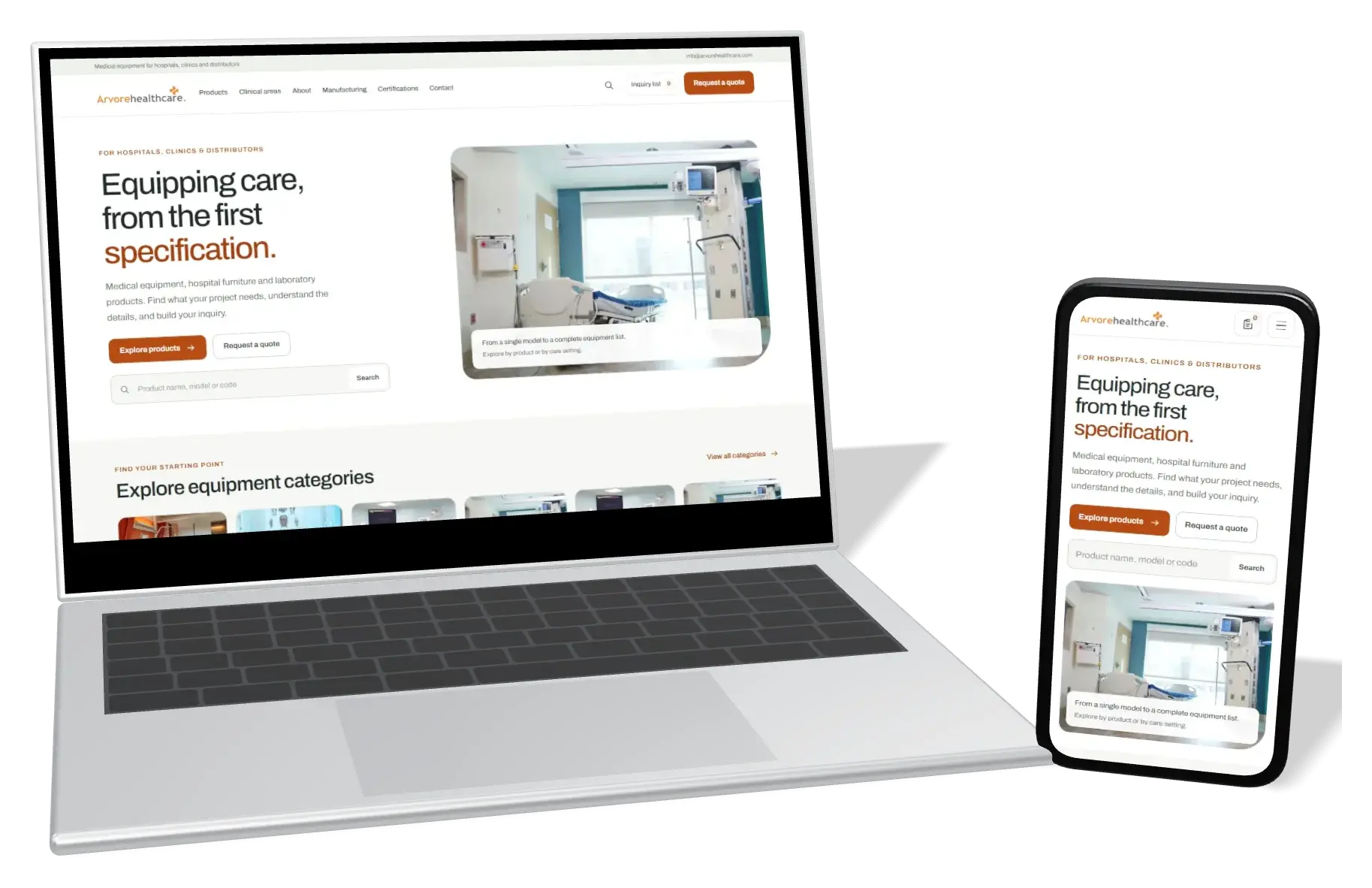
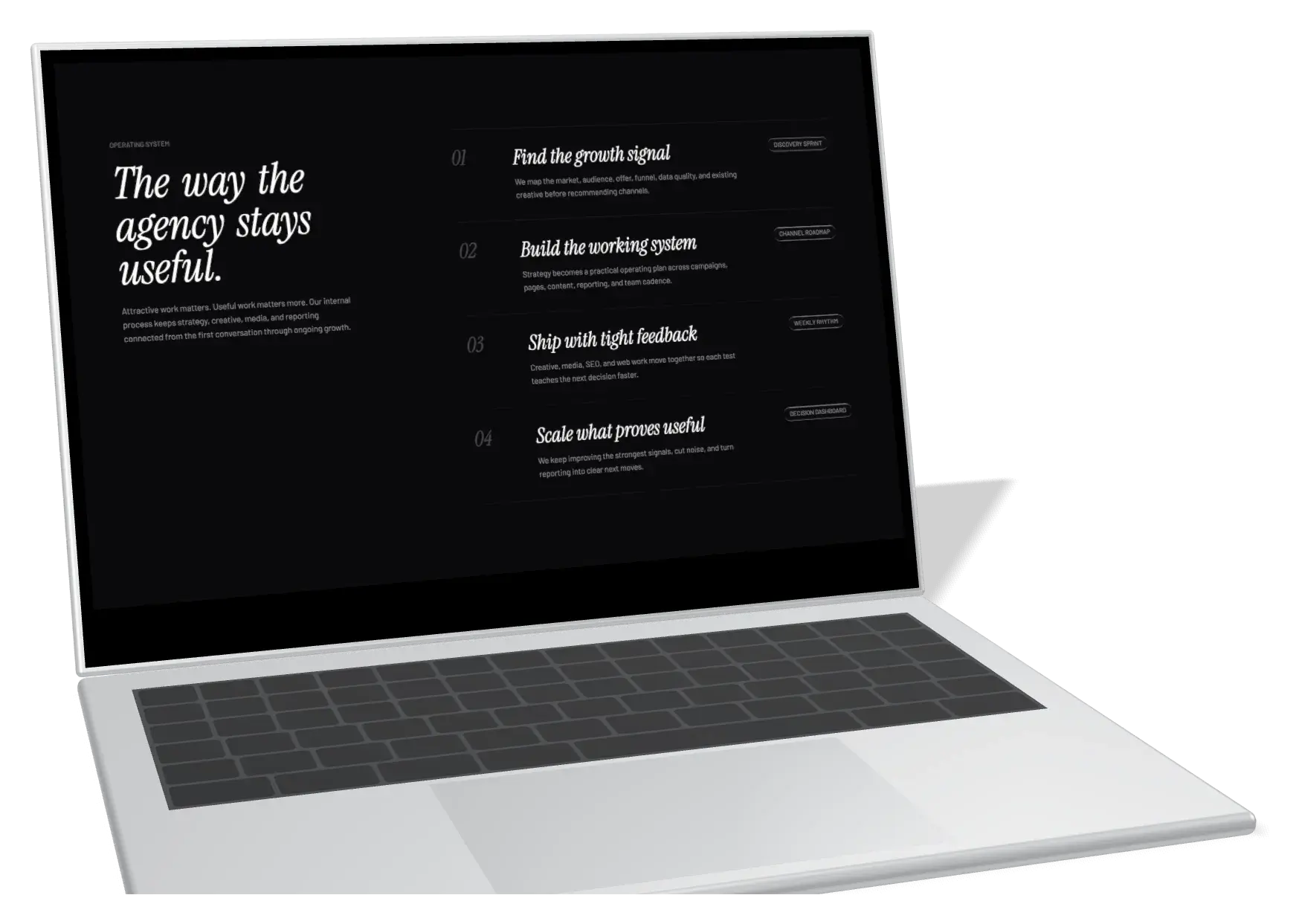
See all our work
Every case study, with what we built and what we can show. Our concept studies are there too.
03 · What we do
Six ways we build. Each one shown working.
Each card runs a small example build with sample data. Open a service to see what's included and the real projects behind it.
- Example build · sample data
Custom software
Software that fits the way you work.
- Example build · sample data
Websites & digital experiences
A stronger first impression. A clearer next step.
- Example build · sample data
Mobile applications
Useful experiences, wherever your users are.
- Example build · sample data
AI & workflow automation
Less repetitive work. More room to move.
- Example build · sample data
SaaS & MVP development
Test the idea. Build what matters.
- Example build · sample data
UI/UX design
Make the complicated feel intuitive.
The stack we build with
- Next.js
- React
- TypeScript
- Strapi
- PostgreSQL
- Tailwind CSS
- Python
- GSAP
- Supabase
- next-intl
- Playwright
- axe-core
- Lighthouse
- three.js
- WebGL
- GitHub Actions
- Docker
04 · How we work with you
Scope before code. Working software early. Ownership settled up front.
The ways of working we agree with every client before a project starts.
05 · Approach
How a project runs, each stage ending in something you can review.
You see working software early and decide with evidence, not promises.
Understand
We learn your users, operations and existing systems, and name the business problem before proposing anything.
You get Shared goals and constraints
Design
Journeys, prototypes and a visual system make the product concrete enough to judge before it is built.
You get An experience you can test
Build and test
We build in reviewable increments with typed code and automated checks, and test accessibility, performance and security on the devices your customers use.
You get Working, tested software at every stage
Deliver
We launch with you, hand over code, accounts and documentation, and train the people who will run it.
You get A launch your team can own
Support
We agree how the product will be maintained and improved, and stay available as it grows.
You get A plan for what comes next
06 · Questions
Questions buyers ask
Where do we start?
Start by telling us about your goals, your users and the problem you want to solve, through the project form or on a call. We'll use that context to define the next useful step, whether that is discovery, design, or development.
How do you work out project pricing?
Pricing follows a clear scope. We first understand the required outcomes, integrations, delivery constraints, and level of support, then agree deliverables and a commercial proposal before work starts.
How long will my project take?
The timeline depends on scope and complexity. We define milestones after discovery and explain dependencies early, so you can make informed decisions about priorities and release dates.
Who owns the finished work?
Ownership, source-code handover, third-party licences, and access are defined in the project agreement. We discuss these before delivery begins so the handover is clear.
What happens after launch?
We agree a handover and support plan during scoping. It can include documentation, training, maintenance, and a plan for future improvements.
07 · Start
Let's make it useful
Share the problem, the people it affects, and what a useful result would look like.
- Tell us a little about your project
- We review the context and requirements
- We agree the most useful next step